ServicesWhole-Home Rewiring
Whole-Home Rewiring in Grand Prairie
Old wiring was never sized for central air, a full kitchen and a home office running at once. We replace it room by room, pull the permit, and plan the attic work for the cooler months so your home is ready when summer load hits.
When a Full Rewire Makes Sense
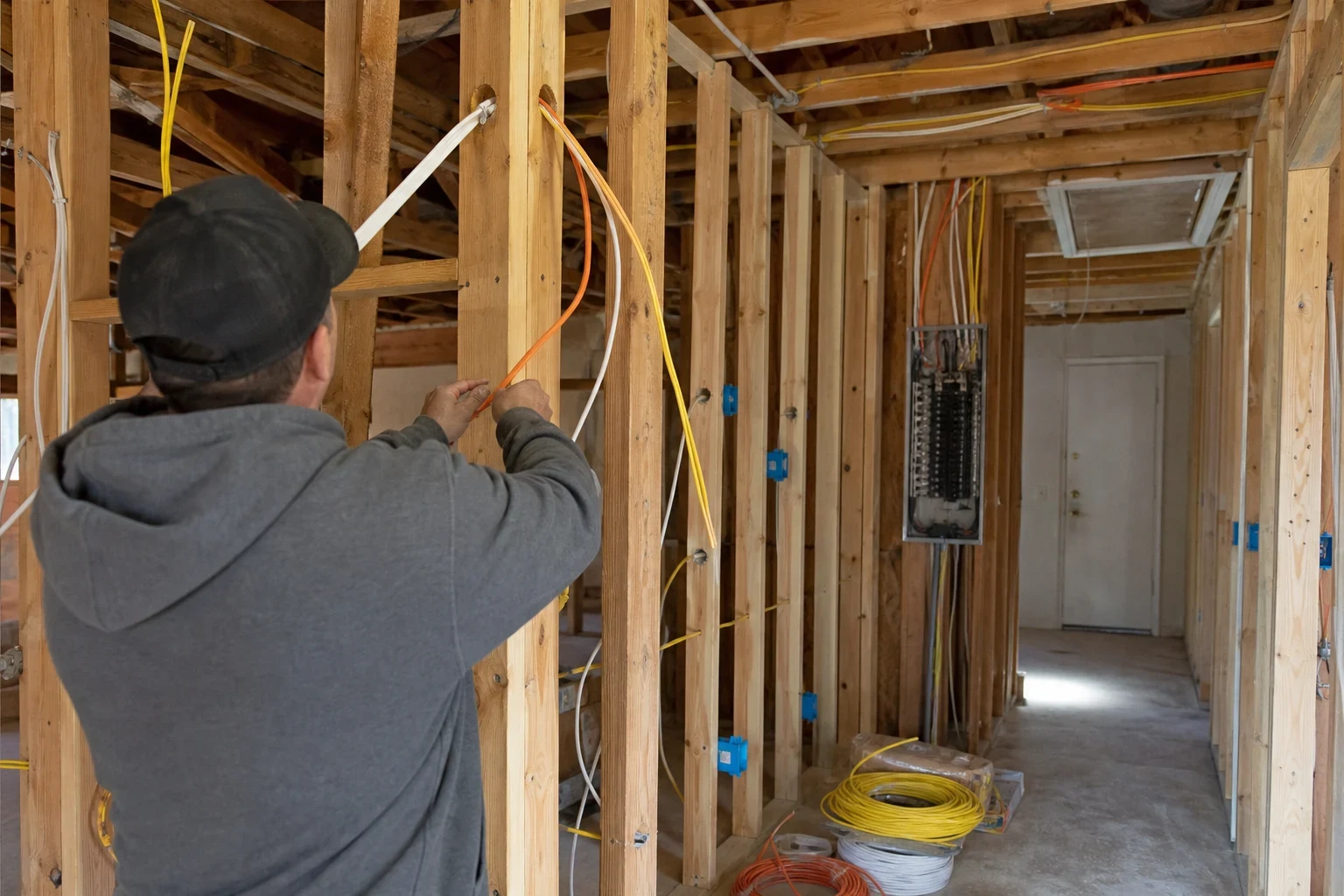
A rewire replaces the old branch circuits with new cable, boxes and devices throughout the house. It's a large project and not always needed. When the problem is a single bad circuit or a handful of loose connections, electrical repair costs less and goes faster, and we'll say so.
It's worth doing when the wiring is the actual problem: cloth insulation that falls apart in your hand, two-wire circuits with no ground, aluminum branch wiring, or years of patch work no one can follow. Chasing those one by one ends up costing more than fixing it all at once.
The calendar matters. Most new runs pass through the attic, and spending hours in a Texas attic in July is dangerous. We prefer to book rewires between fall and spring, so the work is done with care and your new circuits are ready before the AC runs all day.
What's Part of the Job
- 01
We test before pricing
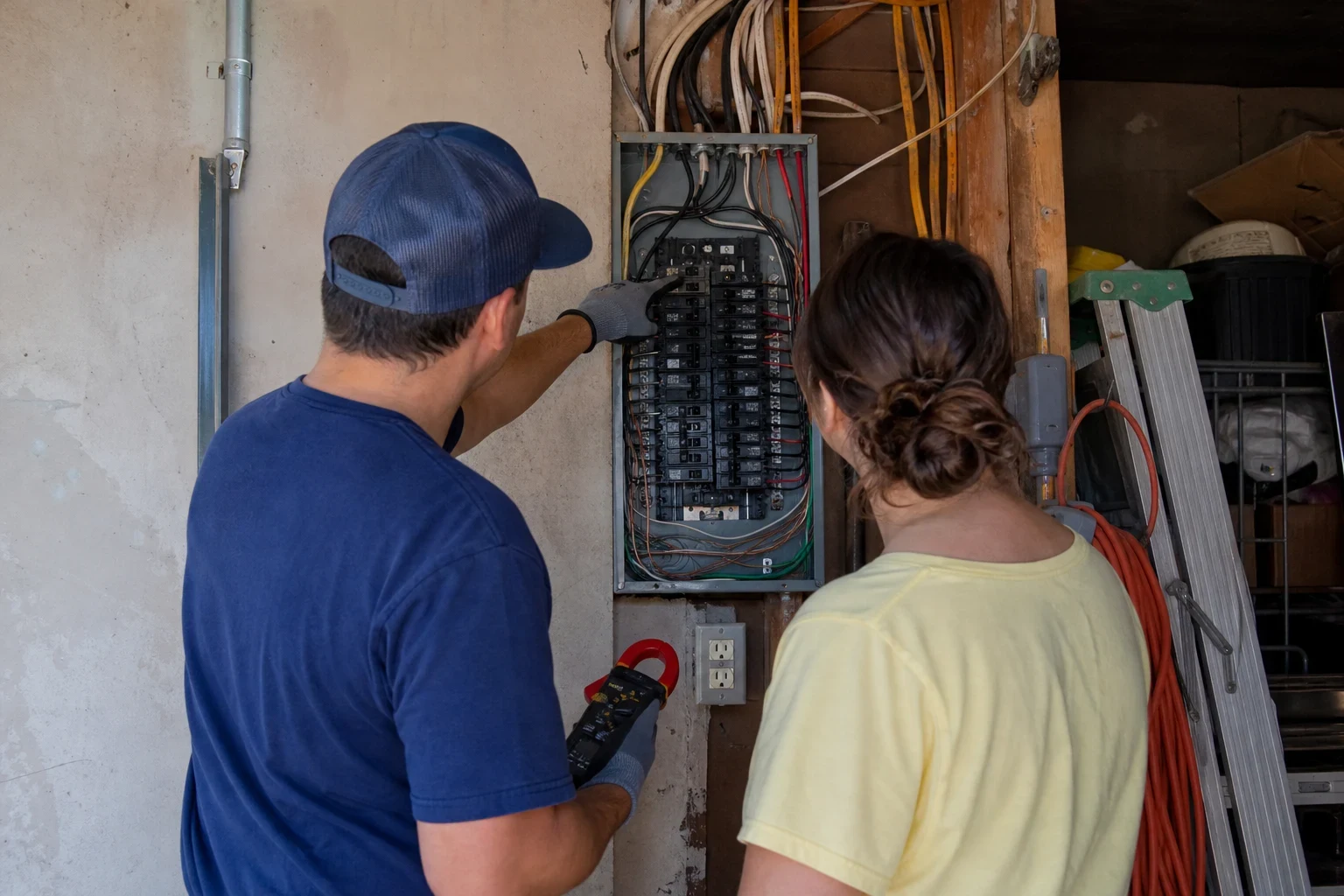
We open the panel and several outlets, check the grounding and insulation and go up in the attic. Your written scope spells out what we found and what we'll replace.
- 02
Fresh branch circuits
New copper cable runs to outlets, switches and fixtures, with circuits planned around how each room gets used now. Kitchens, laundry and baths get dedicated circuits where the code requires them.
- 03
Grounded outlets and up-to-date protection
Every outlet becomes a grounded three-prong, with GFCI and AFCI protection wherever current code calls for it. We also update the smoke alarm circuits.
- 04
Panel review and connection
We make sure your panel can handle the new layout. If it can't, we explain the reason and price panel upgrades as its own line, so both costs are in front of you.
- 05
Permit, inspection and wall patches
We get the permit and are there for the inspector as the local jurisdiction requires. Any small access holes get patched and are left ready to paint.
Questions about Whole-Home Rewiring?
Call(682) 686-5138Signs Your Wiring Needs Replacing
Lights dim when the AC starts
A quick flicker can be normal. A deep dim every time the compressor kicks on often points to undersized or tired circuits.
Two-prong outlets everywhere
These usually mean no ground wire. Swapping in three-prong outlets without a ground is a code problem and doesn't make anything safer.
Warm plates or a burning smell
Switch plates or outlets that feel warm, look brown, or smell like hot plastic need attention soon. Loose or failing connections make heat.
Brittle cloth or aluminum wire
Older cloth insulation cracks with age and attic heat. Aluminum branch wiring expands and contracts more than copper and can loosen at devices over time.
Breakers that trip often
One tripping breaker is a repair call. Several across the house, with no clear pattern, usually means the system as a whole is overloaded.
Years of mystery splices
Extension cords run through walls, junction boxes buried in drywall, circuits nobody can label. That kind of history is hard to make safe piece by piece.
How a Rewire Goes
- 1
Walkthrough and testing
We spend time in every room, the attic and at the panel. Then we sit down with you and go over what we found, with photos.
- 2
Written scope and schedule
You get a line-item estimate and a room order. We pick dates in the cooler part of the year when we can, and we pull the permit before work starts.
- 3
Room by room, power back each night
We work one area at a time and cover floors and furniture. Most nights you have lights, a fridge and working outlets, so you don't have to move out.
- 4
Inspection and walkthrough
The inspector checks the work before walls are closed. After that we patch, clean up, label the panel, and walk you through it.
What Changes the Cost
We price each rewire from what we find in your home, not from a price sheet. The written estimate splits the job into lines, so you can see what each part costs. These are the biggest drivers.
- Home size and floor plan
- The square footage, room count and number of floors decide how much cable goes in. A two-story house means more wire fished through walls than a one-story.
- Getting into the attic and floors
- A roomy, open attic speeds things up. A low roof pitch, deep insulation or a slab with no crawlspace adds time to every run.
- What the walls are made of
- Drywall opens and patches easily. Plaster, paneling and tile need more care and more patching.
- Panel work and new circuits
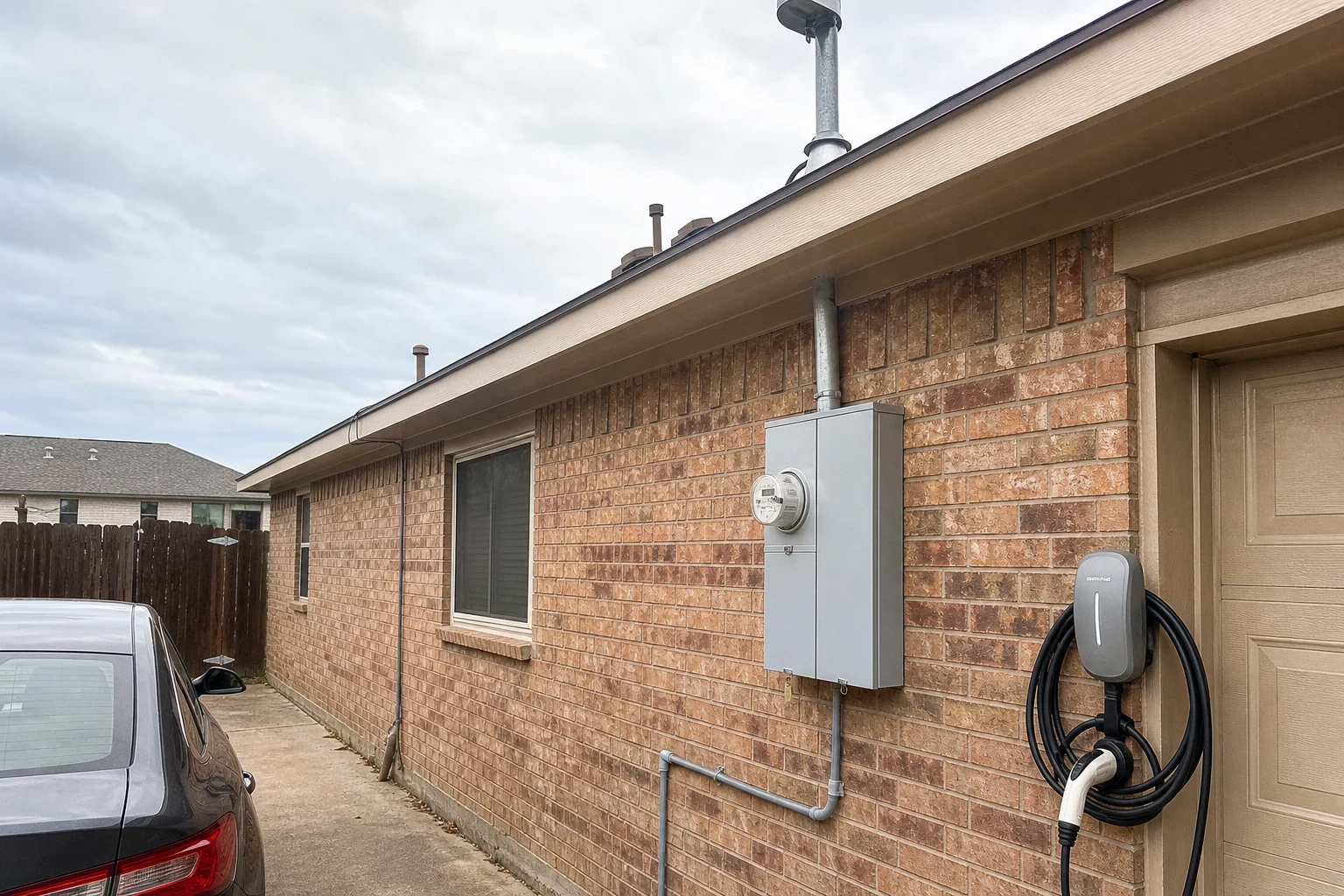
- A panel replacement, extra outlets, new kitchen circuits or a line for a future EV charger all raise the total.
- Permit and inspections
- Every rewire comes with permit fees and inspection visits. They get their own line on the estimate so nothing pops up later.
Common Rewiring Questions
Will we need to move out during the rewire?
In most cases, no. We go section by section and turn power back on at the end of most workdays. One part of the house may stay off for a day or two, and you'll hear about it a few days ahead so you can plan.
How long does a rewire take?
It depends on the home's size, how workable the attic is and the wall material. A small one-story with drywall goes faster than a large two-story with plaster. Our planned dates are in the written scope, with the inspection built into the schedule.
Why schedule rewiring for fall or winter?
Most of the new wire goes through the attic, and summer heat up there slows careful work and endangers the crew. Doing it in cooler months also means your new circuits are tested and ready before the long season of heavy AC use.
Will you tear open my walls?
No. We fish wire through the walls you have and cut small access holes only where needed. Those get patched and left ready to paint, and we clean up at the end of every day.
Can the rewire be done in phases?
Yes, if your budget calls for it. We begin with the worst circuits, often the kitchen, baths and anything with heat damage, and plan the remaining work so it all ties together later.
Can my current breaker box take the new wiring?
It may. At the walkthrough we check its amp rating, open spaces and the condition of the breakers and bus. If it passes, the new circuits connect right into it. If not, we show you what we found and list panel upgrades separately on the estimate, so you can compare both numbers.
Get Your Rewire on the Calendar Before Summer
Cooler-month dates fill up as the heat comes on. Give us a call, tell us about your home, and we'll set a time to come look at the wiring.