ServicesLighting Installation
Lighting Installation in Grand Prairie
We install light fixtures, recessed lights, ceiling fans and outdoor lighting in your home. Every fixture goes on a box rated for its weight, every dimmer is matched to the bulbs, and we test it all before we leave. You get light where you need it, wired right.
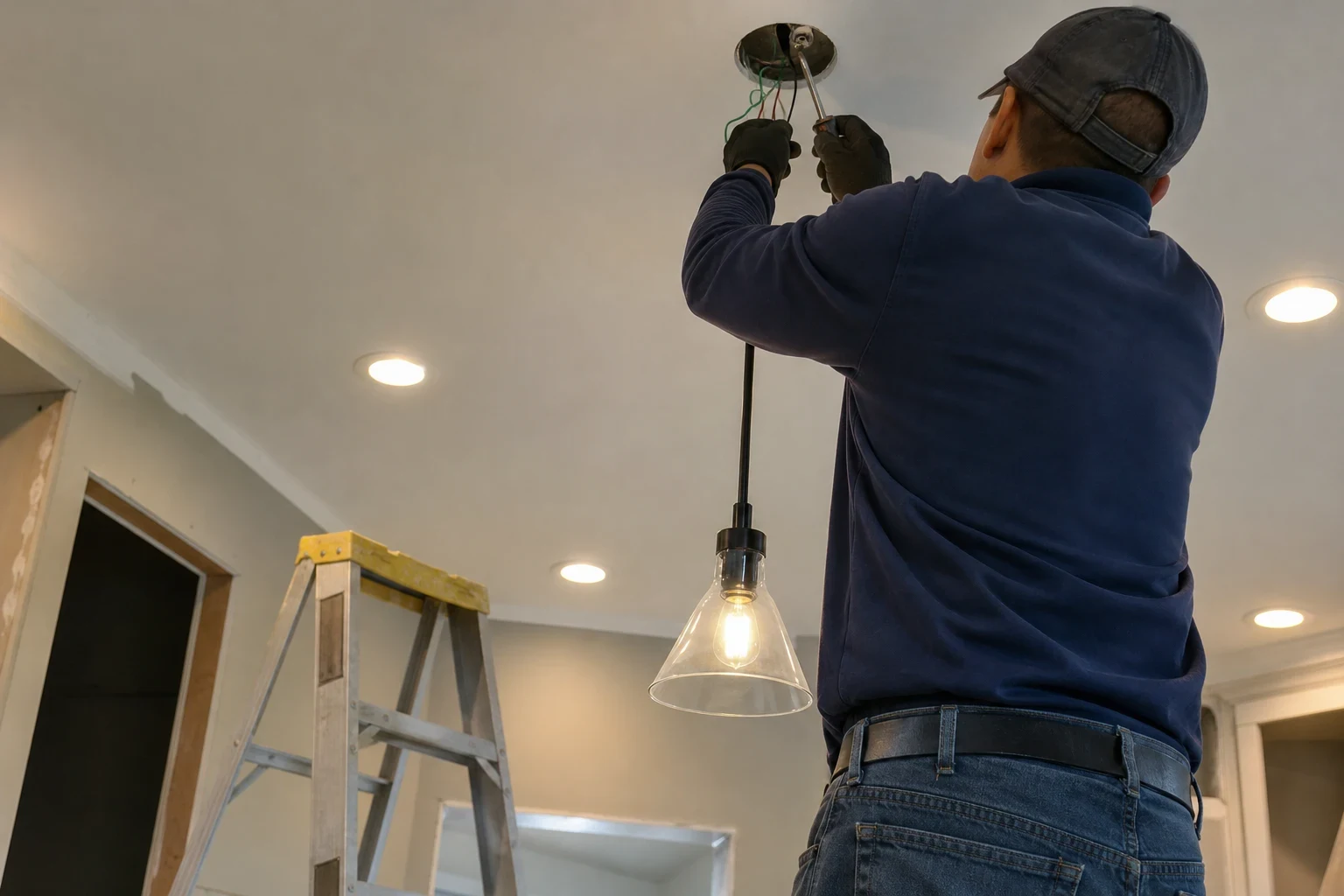
New Light Where You Actually Need It
Most lighting jobs start with a simple complaint. The kitchen is dim at night. The entry is dark when you get home. A bedroom has no fan and only one weak bulb. We fix that by adding or swapping fixtures, running new circuits where the old ones can't take more, and putting switches where people reach for them.
We like to plan lighting ahead of the season. Ceiling fans go in best before the summer heat sets in, and outdoor and security lights are worth doing before fall evenings get dark early. Booking ahead means your work gets done on a calm schedule instead of in a rush.
If we open a box and find scorched wire, loose splices or an overloaded circuit, we stop and show you. That work belongs under electrical repair, and we'll tell you plainly what it needs before going further.
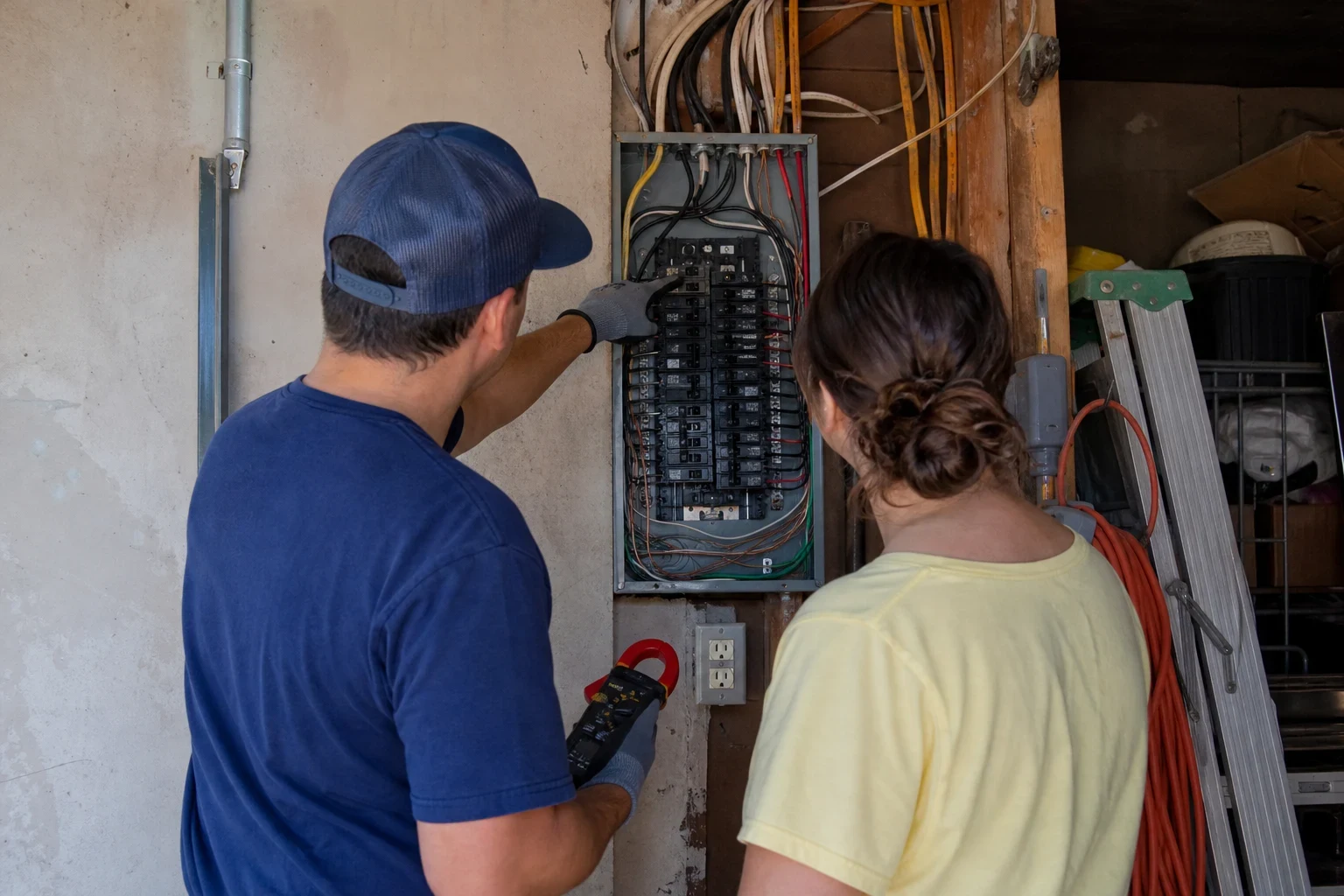
What Our Lighting Work Covers
- 01
Fixtures and chandeliers
We hang fixtures you bought or ones we help you pick. Heavy chandeliers get a box and brace rated for the weight, not the old plastic box left from the builder.
- 02
Recessed lighting
We lay out recessed lights so they light the room evenly, not in spots. Thin LED wafer lights work well under attics with little clearance and need only a small round opening.
- 03
Ceiling fans
A fan pulls and shakes in a way a light never does. We swap in a fan-rated box, balance the blades and can wire the fan and light to separate switches.
- 04
Outdoor and security lighting
Porch lights, flood lights, motion sensors and soffit lights. Outdoor work gets weatherproof boxes and covers, and GFCI protection where it is required.
- 05
Switches and dimmers
Old dimmers made for incandescent bulbs make LEDs flicker and buzz. We install dimmers rated for LED loads, plus three-way switches for stairs and long halls.
- 06
Under-cabinet lighting
Hardwired under-cabinet lights put light on the counter where you work. We hide the wiring and tie it to a wall switch.
Questions about Lighting Installation?
Call(682) 686-5138Signs Your Lighting Needs Work
Rooms that rely on lamps
If a room has no ceiling light, or one fixture that leaves corners dark, new lighting is the fix. Cords across the floor are a trip hazard too.
LEDs that flicker or buzz
This usually means the dimmer was made for old bulbs. A matched dimmer often clears it up in one visit.
A wobbling ceiling fan
A fan that sways may be hanging on a light-only box. That box can work loose over time, and it should be replaced.
Dark entries and yards
Coming home to a dark porch or driveway is a safety problem. Motion lights and a working porch fixture fix it without leaving lights on all night.
Fixtures that run hot
Browned glass, brittle sockets or a burning smell near a fixture mean too much heat. Turn it off and have it looked at before you swap bulbs.
How a Lighting Job Runs
- 1
Book the visit
You call, tell us what you want lit and where, and we set a time to come out.
- 2
Walk the rooms
We look at the ceilings, the attic access, the switches and the panel. Then you get a written estimate that lists each fixture and any new wiring.
- 3
Install day
We shut off the right breaker, cover floors and furniture under the work, and cut openings sized to the fixture. If a permit is required by the local jurisdiction, we pull it and set up the inspection.
- 4
Test and clean up
We test every light, fan speed and dimmer setting with you in the room. Then we haul off old fixtures and boxes and sweep up the dust.
What Moves the Price
Lighting jobs range from a quick fixture swap to new circuits in several rooms. The written estimate shows what each part costs, so you can trim or add before we start. These are the things that change the number most.
- New wiring or existing
- Swapping a fixture on an existing box is quick. Adding a light where there was none means running new wire and adding a switch.
- Attic and ceiling access
- An open attic above makes wiring easy. Tight attics, high ceilings and second-floor rooms with no attic above take more time.
- Fixture type and count
- Heavy chandeliers, fans and long runs of recessed lights take more labor and hardware than a simple flush mount.
- Outdoor runs
- Lights away from the house may need wire run through walls, soffits or underground. Distance and surface change the work.
- Circuit capacity
- If the circuit or panel can't carry more load, that has to be addressed first. We'll explain it and point you to panel upgrades if it comes to that.
Lighting Installation Questions
Can you install a fixture I already bought?
Yes. Have it on hand at the visit so we can check its weight and mounting. If the existing box isn't rated for it, we'll replace the box during the install.
Can a ceiling fan go where a light is now?
Usually, yes. The light box often has to be swapped for a fan-rated box with a brace. If you want the fan and light on separate switches, we may need to add a wire to the wall switch.
Why do my new LED bulbs flicker?
The most common cause is a dimmer built for incandescent bulbs. LEDs draw much less power and the old dimmer can't control them smoothly. A dimmer rated for LED loads usually fixes it.
Will you have to cut my ceiling?
For recessed lights, yes, but only the opening each light needs. We work from the attic when we can so we avoid extra holes. Where there's no attic access, we'll show you the plan before we cut anything.
Do I need a permit for new lighting?
A simple fixture swap often doesn't. New circuits and added lights often do, depending on the local jurisdiction. We'll tell you at the visit and handle it if one is required.
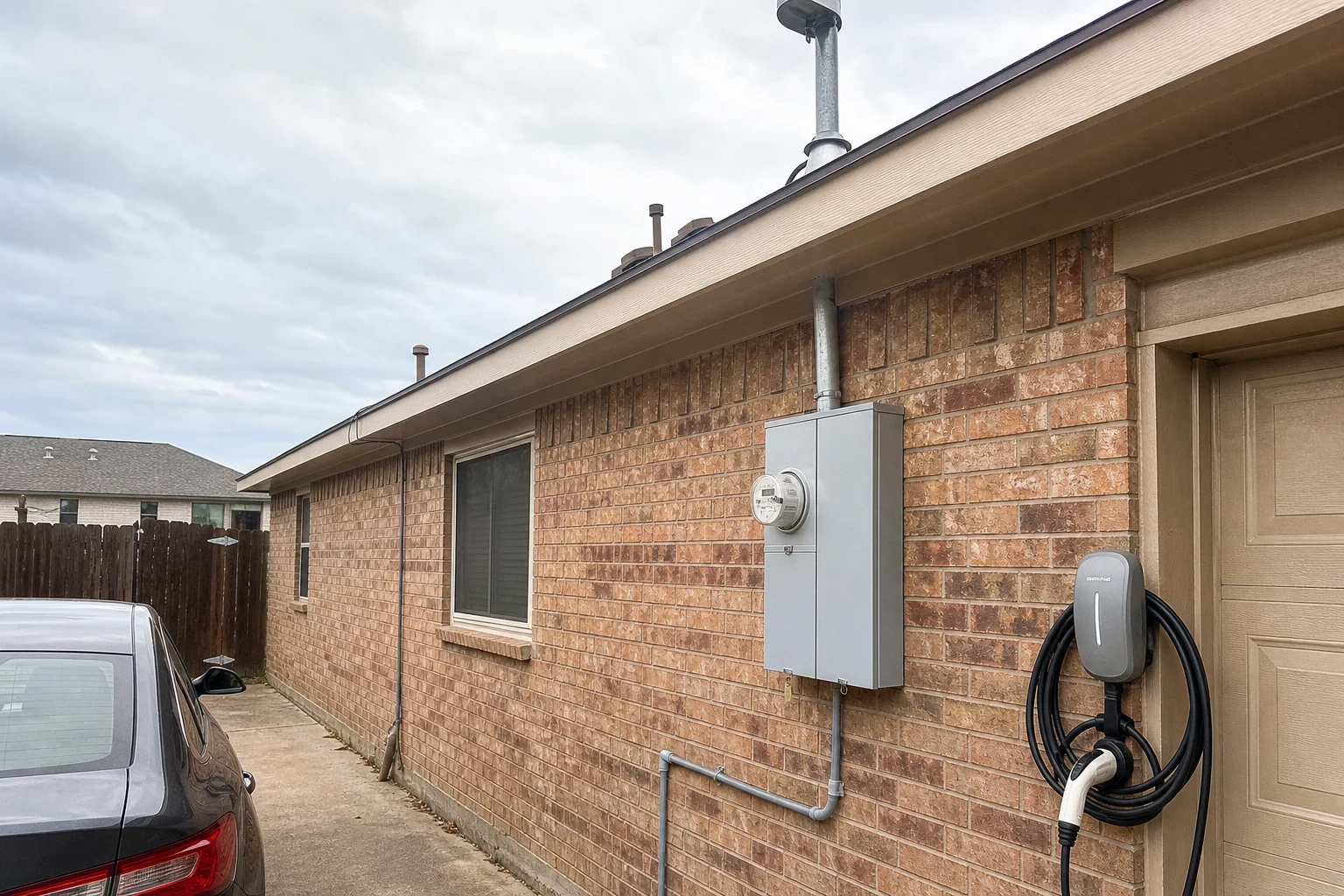
Get Your Lights Set Before the Season Turns
Fans before summer and outdoor lights before the short days are easier on your schedule. Tell us what you want lit and we'll come take a look.