ServicesGenerator Installation
Generator Installation in Grand Prairie
We install standby generators and portable generator hookups for your home, wired through a transfer switch so power comes back safely when the grid drops. We size the unit to what you need to run, handle the permit and test everything before storm season shows up.
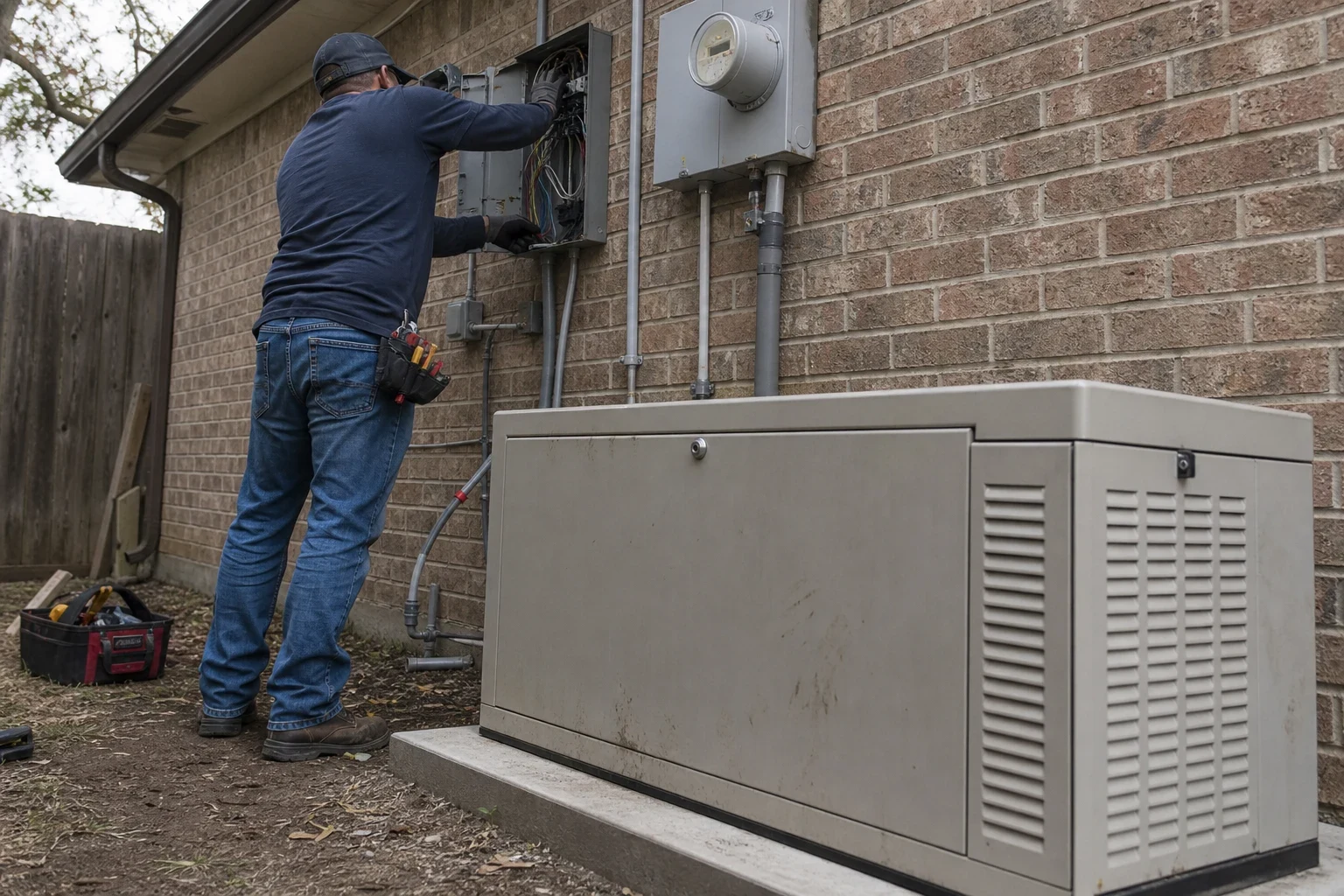
Backup Power Wired to Start on Its Own
How a generator is connected matters more than the machine. Setting the unit is simple. The real job is the transfer switch, the feed back to your panel, correctly sized breakers and a level, clean spot outside that keeps proper distance from doors and windows.
We install two setups. A standby generator rests on a pad outside, burns natural gas or propane and kicks on automatically seconds after the power drops. A portable hookup adds an inlet box on an exterior wall plus a manual transfer switch, letting a portable unit run selected circuits with no extension cords strung through the house.
Do it before the outage, not during. Spring storms and summer heat push the Grand Prairie grid hard, and jobs booked in the quieter months move faster and leave room for the inspection.
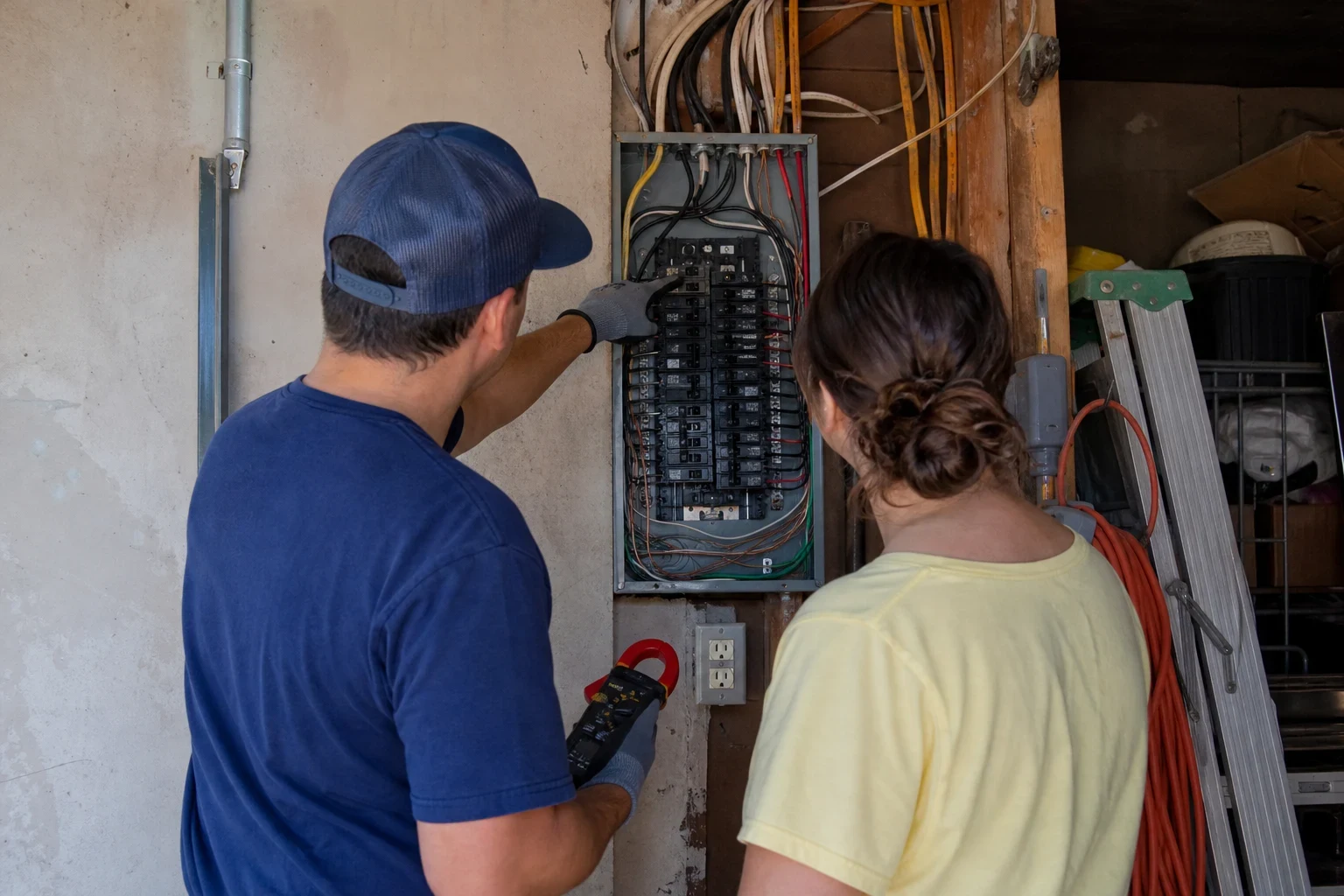
What Comes With the Install
- 01
Sizing from your outage list
We go over what needs to run when the power is out: AC, fridge, well or sump, medical equipment, some lights. The generator is sized to that list, not to the largest model available.
- 02
The transfer switch
Standby units get an automatic switch and portable hookups get a manual one. Either way, it stops the generator from sending power back out to the utility lines, protecting line crews and your equipment.
- 03
Feed wiring and breakers
We run the feed from the generator to the switch and the panel, size the breakers and wire correctly, and label each circuit so you can see what has backup.
- 04
Where the unit sits
We choose a spot that meets clearance rules, sends exhaust away from openings and stays clear of water that pools after hard rain.
- 05
Permit, inspection and live test
We file the permit the way your city requires and meet the inspector on site. Afterward we turn off your main breaker on purpose so you can see the generator take over.
Questions about Generator Installation?
Call(682) 686-5138When a Generator Makes Sense
An outage already cost you food or sleep
If one long outage spoiled a full fridge or left you a night without AC, expect it to happen again.
Someone in the house needs power
CPAP machines, oxygen concentrators and medicine that must stay cold can't wait on the utility. Backup power removes that worry.
Cords run from a portable unit
Cords fed through a propped-open window bring fire and carbon monoxide risk. An inlet box and transfer switch solve it.
Your office is at home
Losing your connection or a laptop charge in a storm costs real money. A portable hookup or small standby unit keeps you working.
You rely on a sump pump or well
When the power drops, the pump stops. A rainy spring can then mean water on the floor.
How a Generator Install Goes
- 1
Service visit and load check
We look at your panel, your gas meter or propane setup and the yard. We go over what you want backed up and recommend a size.
- 2
Written plan and permit
You get the scope in writing: unit, switch type, location and wiring. Once you approve, we file the permit and line up any utility or gas coordination.
- 3
Install day
The crew places the pad, sets the generator on it and hangs the transfer switch near your panel. Then we connect the switch to the panel. If the unit runs on gas, a gas contractor makes the fuel hookup. Plan on your power being off for part of the day while we tie things together.
- 4
Inspection and test
After the inspector signs off, we cut the main and let the system take over. We show you how it works, how the exercise cycle runs and what to check.
What Drives the Cost
Each generator job is priced from your home's needs. Most of the cost comes from the unit's size and the type of switch. Distance from the panel and the fuel setup come after that. At the service visit we walk through every line so you see where the money goes before you approve.
- Type and size of generator
- A portable inlet box is the lighter job, and a standby unit is the heavier one. Sizing for the whole house costs more than sizing for a handful of key circuits.
- Switch type
- An automatic switch covering the full panel runs higher than a manual switch for selected circuits.
- How far the run goes
- Placing the unit farther from the panel and gas meter means more wire, more conduit and more trenching.
- Your panel's room and age
- Some panels are out of open slots, and some are too old to safely take a generator feed. If yours is one of them, we tell you at the visit and explain what panel upgrade work would add.
- Fuel setup and permits
- Gas line length, where a propane tank sits and permit fees change from one property and jurisdiction to the next.
Generator Questions We Hear Most
Do you pull the permit?
Yes. We file it the way your city requires and we're on site for the inspection. We don't call the job finished until it passes.
Can a generator run my central AC?
It can if the unit is sized for it. AC compressors pull a big surge when they start, so we check yours and size the generator to handle it. Some homes add a soft-start kit to bring that number down.
Standby or portable hookup, which should I get?
Standby is hands-off and covers more of the house. A portable hookup costs less and works well if you're home during outages and only need the basics. We'll lay out both during the visit.
What's wrong with running my portable through a dryer plug with a cord?
Please don't do it. A double-ended cord pushes power backward through your panel and out to the street, where it can hurt a line worker. When the grid comes back on, it can also wreck the generator and your appliances. An inlet box and transfer switch give you the same backup power the safe way.
How long does installation take?
A portable hookup is usually a single day. A standby unit is often one to two days of work, plus the time it takes to get the permit and inspection scheduled.
Who maintains it after you install it?
Standby units need regular oil changes, battery checks and test runs. Our generator service & repair work covers that, so the unit is ready when the next storm rolls through.
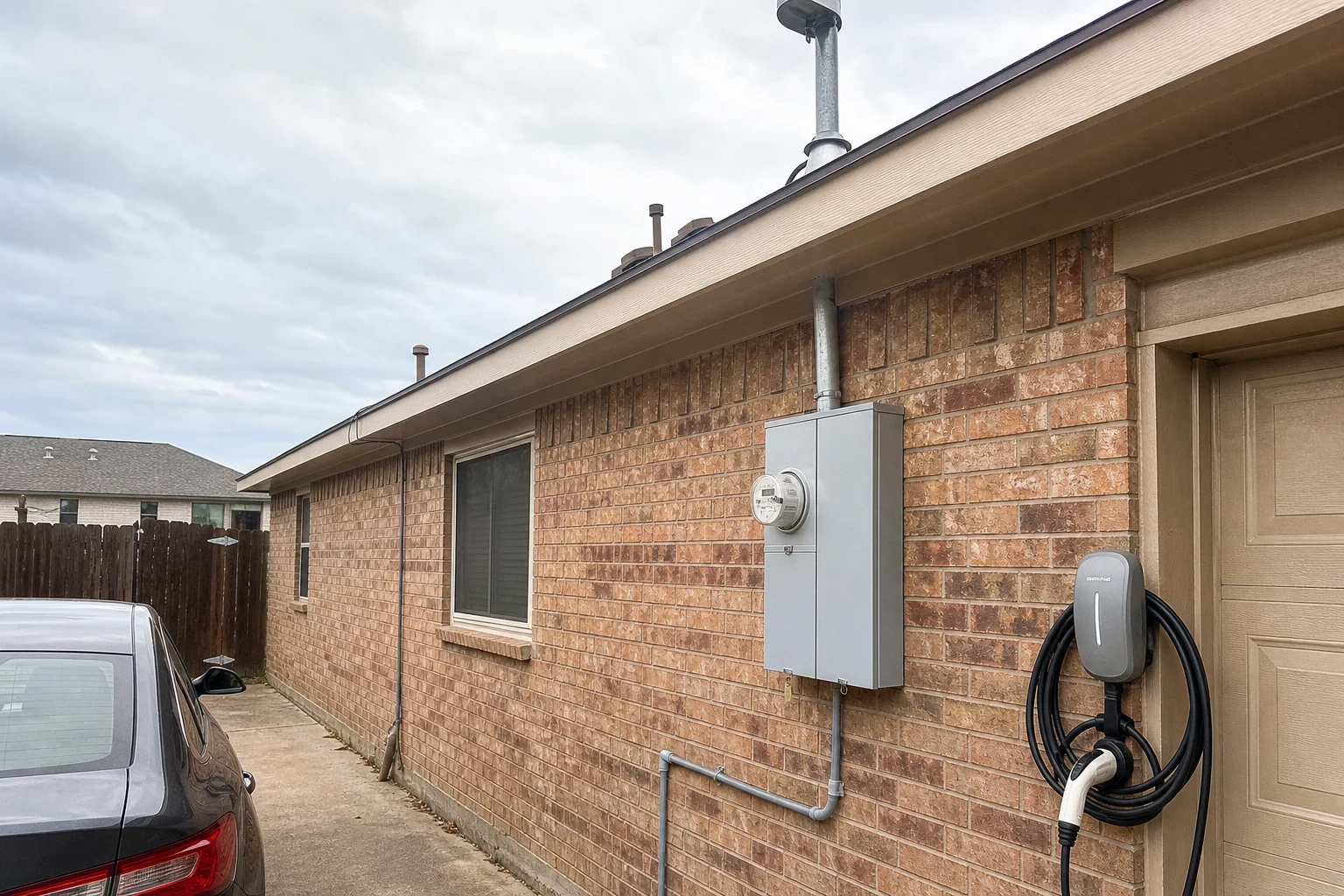
Have Backup Power Ready Before the Next Storm
Let us know what has to stay on during an outage. We'll look over your panel and yard and hand you a clear plan.