ServicesHome Battery Backup
Home Battery Backup Systems in Grand Prairie
When the grid drops, a battery picks up the load on its own. The refrigerator, a handful of lights, the router and the outlets you pick stay powered, with no fuel to store and no engine running. We size it to your list and get it installed ahead of storm season.
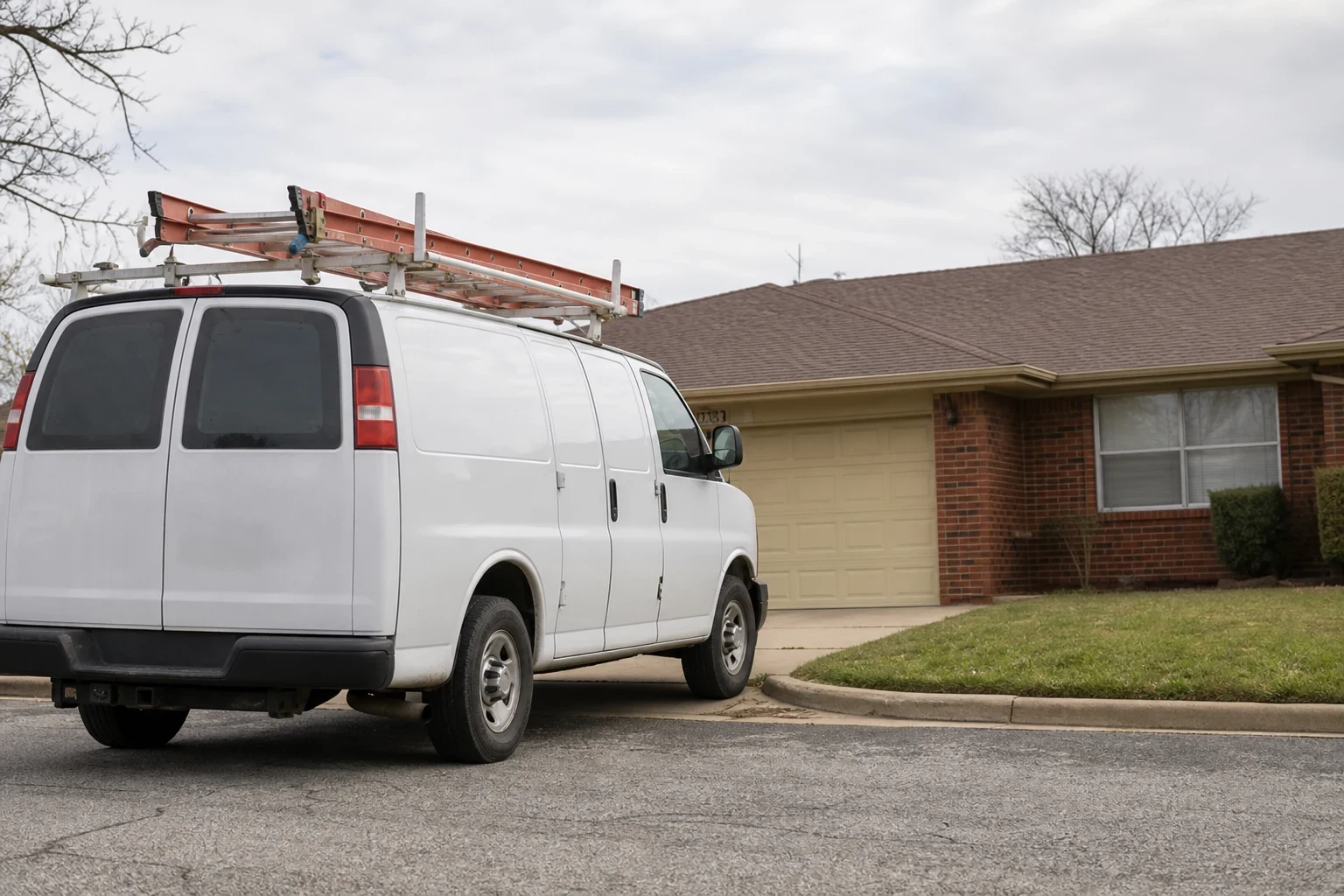
What a Battery Backup Does and When It Makes Sense
A battery backup system is a wall-mounted battery, an inverter and a switch that watches the grid. When the utility power drops, the switch cuts your home off from the grid and the battery takes over, usually fast enough that the clocks never blink. When power comes back, it switches back and the battery recharges.
It is the right fit when you want a few important things to keep running through a typical outage without starting an engine. It is not the right fit for running central air all day through a long outage. Batteries store a set amount of energy, and a big AC unit drains it quickly. If you want to ride out multi-day outages with everything on, a standby unit from our generator installation work may suit you better, and some homes pair the two.
The best time to plan is before the spring storms and before summer heat puts the grid under strain. Install timing depends on equipment and inspection schedules, so starting early means the system is in place when the weather turns.
What the Install Includes
A load list built with you
We walk through your home and write down what has to stay on: fridge, freezer, a few lights, internet, a medical device, the furnace blower. That list drives everything else.
Battery sizing
We match battery capacity and inverter output to your list. Too small and it quits early. Too big and you paid for storage you never use.
Critical loads panel or whole-home setup
Most installs move your must-have circuits to a separate backed-up panel. Some systems can back up the whole panel with load management that sheds big appliances first. We explain which one fits your home and budget.
Mounting and wiring
We mount the battery and inverter in a spot that meets the manufacturer's clearance and temperature rules and local code, then run conduit and wire to your panel.
Permit, inspection and setup
We pull the permit required by the local jurisdiction, coordinate with the utility where that applies, schedule the inspection and set up the monitoring app with you before we leave.
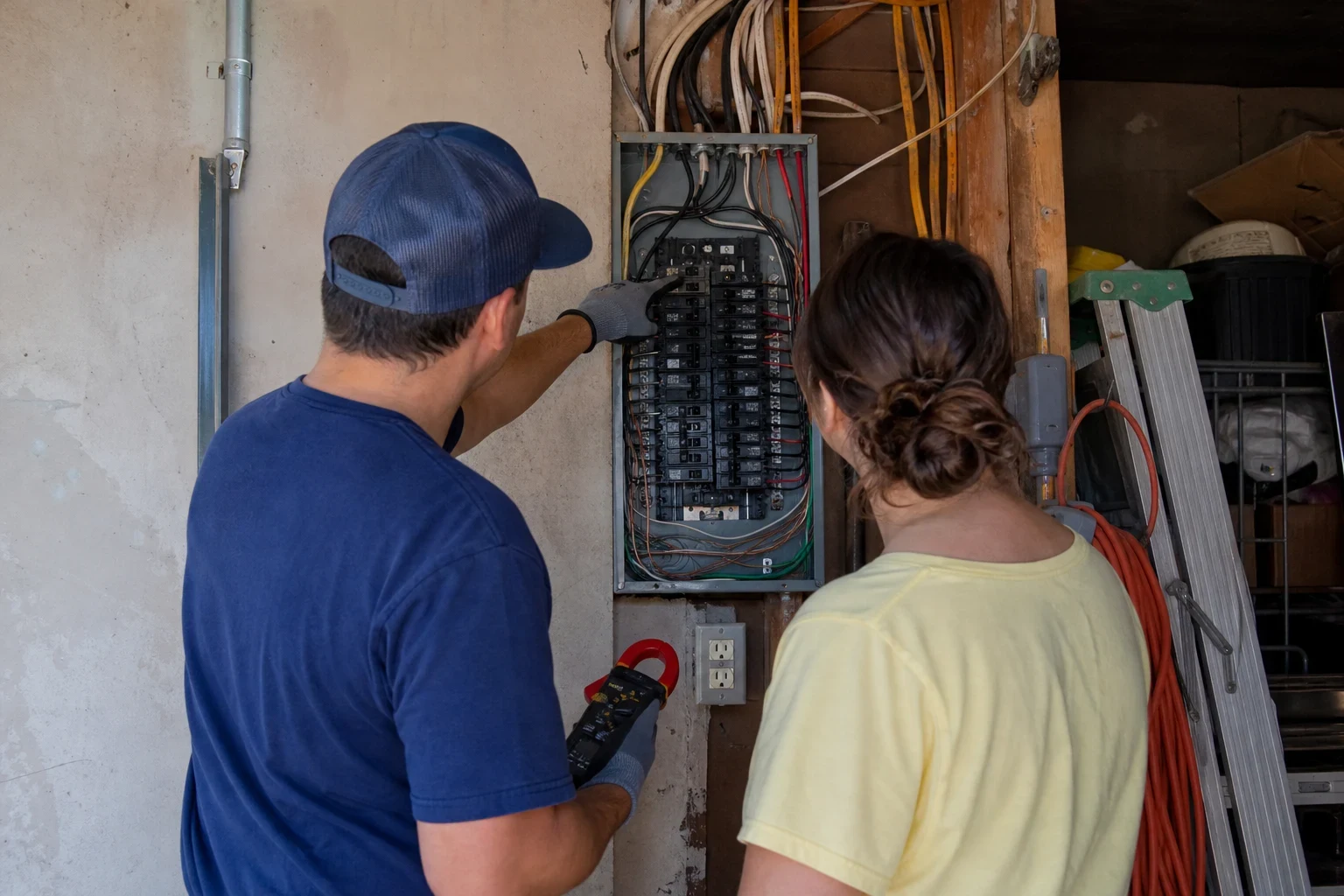
Reasons a Battery Backup May Fit Your Home
- Food lost to outages
- A few hours without power on a long afternoon can mean throwing out a full freezer and fridge. If that's happened more than once, keeping those two running is reason enough to consider a battery.
- Someone's health depends on power
- A breathing machine at night or insulin that must stay cold turns an outage into a real problem. The battery keeps those circuits on automatically, even at 2 a.m. while the house sleeps.
- Your job is at home
- With the router, a laptop and a few lights still on during an afternoon outage, your meeting doesn't drop.
- A generator won't work for you
- Your HOA may restrict them, you may not want fuel on hand, or the noise could bother neighbors. A battery makes no sound and gives off no exhaust.
- You lose power every storm season
- Around Grand Prairie, spring thunderstorms and the odd winter freeze cause outages most years. If you dread that time of year, plan ahead instead of in the middle of it.
What the Job Looks Like
- 1
First visit and load review
We check your panel, your service size and possible battery locations. Together we write your load list and confirm the panel can accept the new equipment.
- 2
Size and written estimate
Your written estimate lists the battery size, what stays powered in an outage and any panel work. If the panel is full or worn out, we tell you and refer you to our Panel Upgrades work.
- 3
Permit and install date
We apply for the permit and handle any utility paperwork. After approval, we pick an install date that suits you.
- 4
Installation
We mount the equipment, shift circuits to the backup panel and wire everything in. Expect the power to be off for part of the day while we're in the panel. Most jobs take one to two days.
- 5
Inspection and handoff
Once the inspector approves it, we run a live switchover while you watch. We go over the app, what the battery can power and about how long, then clean up before leaving.
What Changes the Cost
We price each battery job from your list of must-have loads and the state of your panel, so neighbors on the same block can get very different numbers. Every part shows up on the written estimate, which lets you see the cost of each piece and cut scope if needed.
- Battery capacity
- A bigger battery stores more power, runs longer and costs more. Two battery units cost more than one.
- How much you back up
- Backing up a few circuits through a critical loads panel costs less than covering the whole home with load management.
- Panel condition
- If your panel is old or out of space, it may need work or a replacement before the battery can connect. We look at it on the first visit so you know early.
- Where it mounts and how far the wire runs
- A spot on the garage wall beside the panel is a short, easy run. A location on the far side of the house or on a distant outside wall takes more conduit, wire and labor.
- Permit and utility requirements
- Permit fees and utility rules differ from one jurisdiction to the next. They go on the estimate up front, not on the bill afterward.
Common Battery Backup Questions
- How many hours will a battery keep my home running?
- It depends on what's plugged into it. A single battery can keep a fridge, some lights, the internet and a few outlets going for many hours. Big loads like a window AC or a microwave used often cut that time fast. At the visit we figure runtime from your actual load list instead of a number from a brochure.
- Will a battery power my central air?
- Some systems can start and run central AC, but the battery empties fast. In most homes we leave central air off the backup and put a fan or small window unit on it instead. If staying cool through a long outage is the top priority, a standby generator usually does that job better.
- Is my garage too hot for a battery in a Texas summer?
- Usually it works, as long as the spot is right. Batteries have heat limits and will slow or stop charging when they get too warm. We pick a shaded wall with air movement, follow the manufacturer's requirements and let you know if your garage gets too hot.
- Battery or generator: which should I choose?
- A battery makes no noise, uses no fuel and takes over by itself, but it only holds so much energy. A generator keeps going as long as it has fuel and can carry heavy loads like central air. We go over both at the visit so you can choose what suits your household.
- Will you take care of the permit?
- Yes. We get the permit the local jurisdiction requires, file any utility paperwork that applies and are there for the inspection. The system stays off for everyday use until it passes.
- Will the power be off while you install it?
- Yes, for part of the day while we shift circuits and connect to the panel. You'll know in advance so you can plan, and power comes back as soon as the panel work is finished.
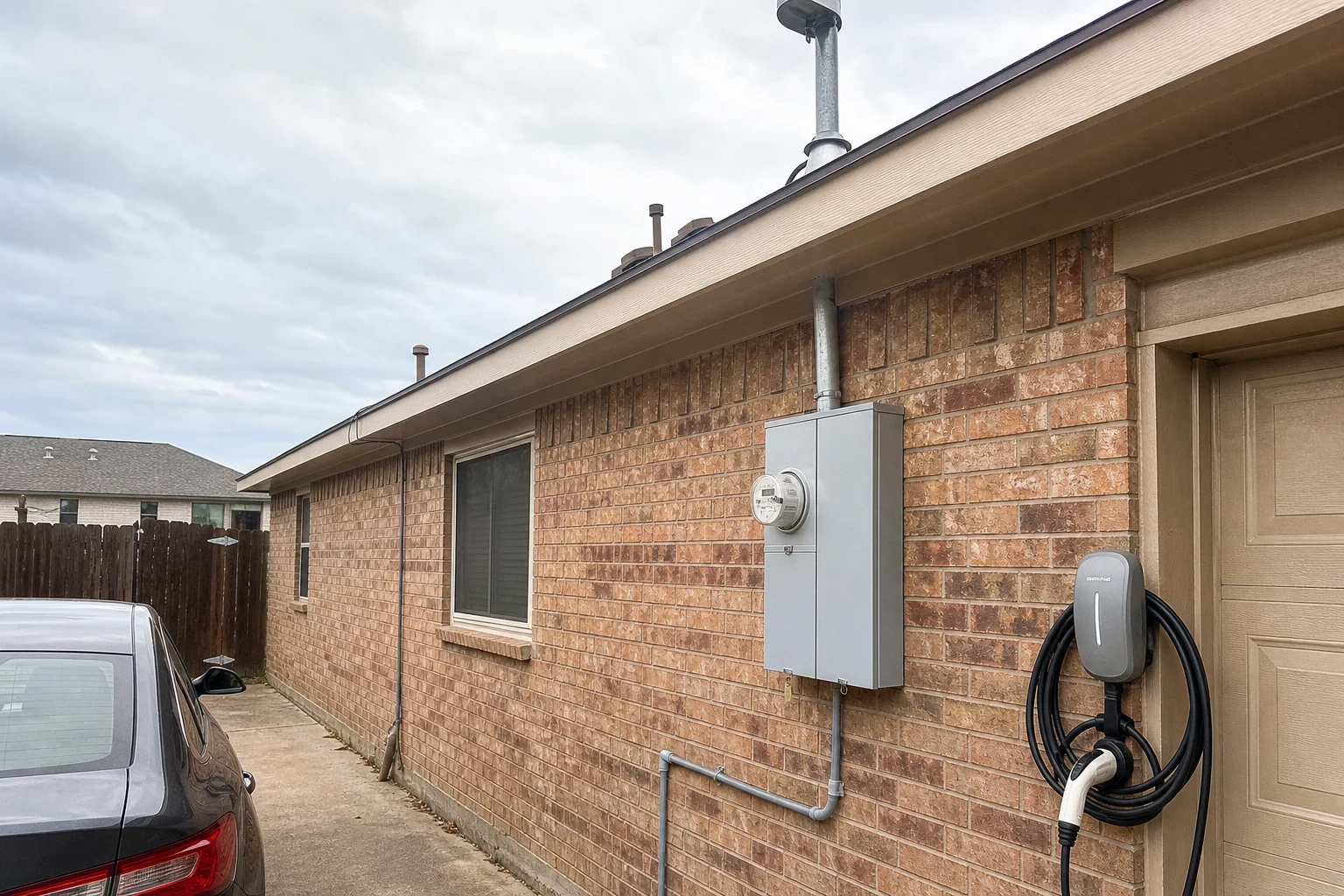
Have Backup Power Ready Before Storm Season
Let us know what has to stay on, and we'll schedule a time to see your panel and the space. You'll get a clear answer on size and setup before we order anything.